

Consumers are harder to reach than ever. They scroll past thousands of ads a day, skip pre-rolls, and tune out banner placements without a second thought. Brand loyalty is thinner, attention spans are shorter, and the old playbook of impressions and frequency just doesn't land the way it used to.
But here's the thing: people still show up for experiences. They still line up for a well-designed pop-up, post about an activation that surprised them, and remember the brand that gave them something real. That's not nostalgia. That's a marketing channel that actually works.
At Taste, we've spent over a decade creating brand activations, content programs, and large-scale experiences for brands across food, beverage, consumer products, tech, and tourism. Here's what we've learned about why experiential works, what's changing in 2026, and how brands can get more from their marketing spend.
The Shift from Impressions to Experiences
For years, marketing leaned heavily on traditional media: TV spots, print ads, digital banners. And while those channels still have their place, the brands that are winning right now are the ones meeting consumers in person, in moments that feel authentic and shareable.
The logic is simple. When someone interacts with your product, engages with your brand in a well-designed environment, and walks away with a story to tell (or a photo to post), you've created something that a banner ad never could. You've created memory.
The data supports this too. User-generated content has become one of the most trusted forms of brand endorsement, with studies showing that the vast majority of consumers trust content from real people over traditional influencer posts. That UGC doesn't come from a media buy. It comes from giving people something worth sharing.
What Makes a Great Brand Activation
Not every pop-up or sampling program qualifies as great experiential marketing. The activations that actually move the needle share a few things in common.
They're rooted in culture, not just product. The best activations tap into a cultural moment, a neighbourhood, a celebration, or a community. When we partnered with Jarritos for their 75th Anniversary, we didn't just set up a sampling booth. We transformed a storefront on Ossington into a vibrant, music-filled celebration of Mexican culture and heritage. The result: 180,000 passersby reached, over 3 million social impressions, and 6,000+ product samples distributed over a single weekend. The brand showed up in a way that felt like a party, not a pitch.
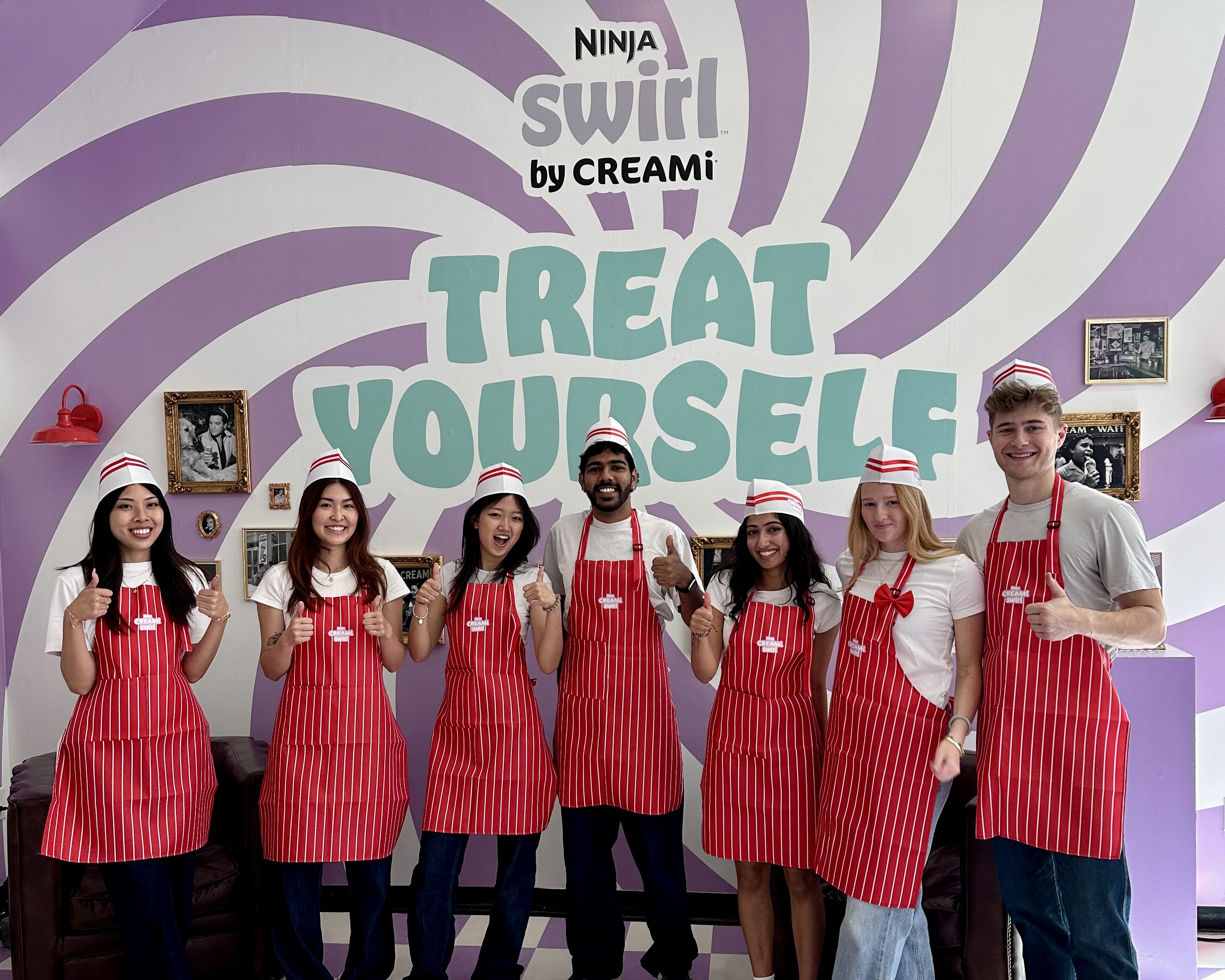
They create real interaction, not passive observation. Handing someone a sample and hoping for the best is sampling. Building an environment where people actively participate is experiential. For the Ninja Creami Swirl Activation, we created a retro-inspired pop-up where guests made and customized their own frozen dessert creations using the new Ninja Swirl machine. This wasn't a food brand activation. It was a consumer electronics brand bringing a product to life through hands-on experience. The activation attracted 3,475 guests over two days, generated 1.9 million impressions, and averaged over 90 seconds of dwell time per guest. That kind of engagement builds product understanding and purchase intent in a way that no digital ad can replicate.
They tell a story that extends beyond the event. A well-executed activation doesn't end when the doors close. It lives on through content, press coverage, and community conversation. Our Neighbourhoods of Square campaign is a good example. Square isn't a food brand; they're a payments technology company. But by partnering with us on a chef-led content series across six Toronto neighbourhoods, they positioned themselves as a credible, trusted tool within the independent restaurant community. The multi-channel program generated an estimated 2.2 to 4.5 million impressions while building genuine relationships with restaurant owners and operators.
Why Toronto Is One of the Best Cities for Brand Activations
Toronto's cultural diversity and neighbourhood-driven identity make it one of the strongest markets in North America for experiential marketing. The city's distinct pockets, from Ossington to Kensington Market to Parkdale, create natural stages for brands to show up in ways that feel organic rather than forced.
The city also has an incredibly engaged audience. Between food-focused media, a thriving influencer community, and platforms like TasteToronto and TasteMontreal (which together reach hundreds of thousands of engaged followers), brands activating in Toronto have built-in amplification opportunities that most markets can't match.
We've seen this firsthand across our portfolio of work, from the Thomas' Toast Bar sampling activation to Muskoka Brewery's summer experiences to the Los Cabos Tourism Board event activation. In each case, the combination of a strong concept, smart venue selection, and local cultural context made the work resonate far beyond the people who showed up on the day.
What's Changing in 2026
A few trends are reshaping how smart brands approach experiential marketing this year.
Micro-moments over mega-events. Brands are increasingly investing in smaller, more curated experiences that feel intimate and exclusive, even when they scale. Think chef-led dinners for 30 people rather than a 5,000-person festival booth. The per-person impact is higher, the content is richer, and the audience walks away feeling like insiders rather than attendees.
Seamless product integration. The days of heavy-handed branding on every surface are fading. The most effective activations in 2026 weave the product into the experience so naturally that it feels like discovery, not advertising. Our work with Greenhouse is a good example of this approach, embedding the brand into lifestyle moments that consumers actually want to engage with.
Content-first design. Every activation needs to be designed with content creation in mind from the start. That means photo-worthy moments, video-friendly environments, and a distribution strategy that turns one weekend into months of social content. The brands that treat experiential and content as separate workstreams are leaving value on the table.
Community over reach. Brands are moving away from pure impression counts and toward building genuine relationships within specific communities. Whether that's the independent restaurant scene, the festival circuit, or a particular neighbourhood's cultural identity, the brands that invest in community earn trust that compounds over time.
How to Get Started
If you're a brand exploring experiential marketing for the first time (or looking to elevate what you're already doing), here are a few practical starting points.
Start with the story, not the format. Before you decide whether you need a pop-up, a food truck, a mobile activation, or a festival presence, define the story you want to tell. What does your brand stand for? What moment do you want to own? The format should serve the narrative, not the other way around.
Choose the right partners. Experiential marketing requires a specific blend of creative ideation, production expertise, and cultural fluency. Working with a team that understands both the strategic and logistical sides of activation is critical. A great concept that's poorly executed does more harm than no activation at all.
Plan for content from day one. Your activation budget should include photography, videography, and a content distribution plan. The content you capture during the experience will drive value for weeks or months after the event itself.
Measure what matters. Impressions and samples distributed are useful metrics, but the real indicators of success are engagement depth (dwell time, participation rates, UGC volume), brand sentiment, and pipeline impact. Set clear KPIs before you build a single wall.
Let's Build Something Worth Talking About
At Taste, we specialize in turning brand messages into real-world experiences that people remember, share, and talk about. From creative strategy and content creation to full-scale brand activations and event production, we work with brands across food, beverage, consumer products, tech, and tourism to create marketing that actually moves the needle.
If you're ready to explore what experiential marketing can do for your brand, let's talk.
-
Taste is a brand experience agency based in Toronto, specializing in experiential marketing, brand activations, content creation, and influencer marketing. We also manage TasteToronto and TasteMontreal, two of Canada's largest food and restaurant marketing platforms. Learn more about what we do.
